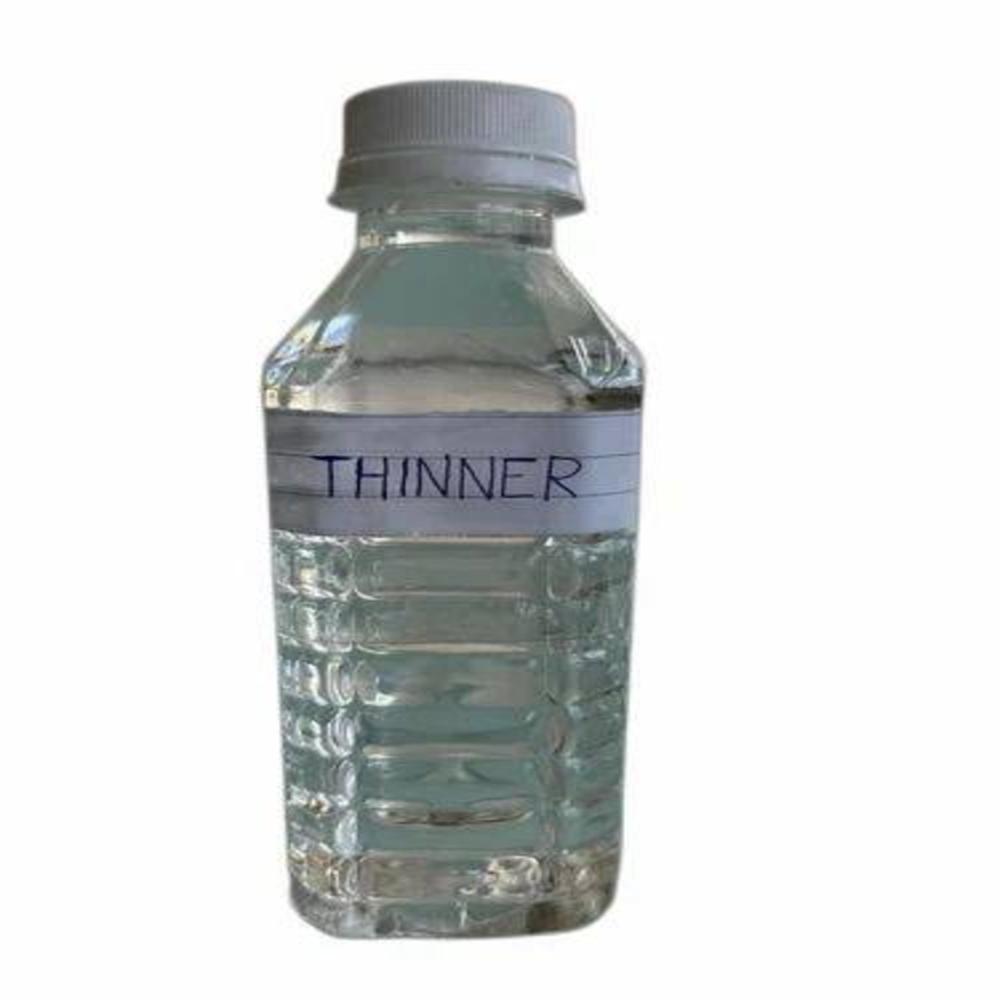
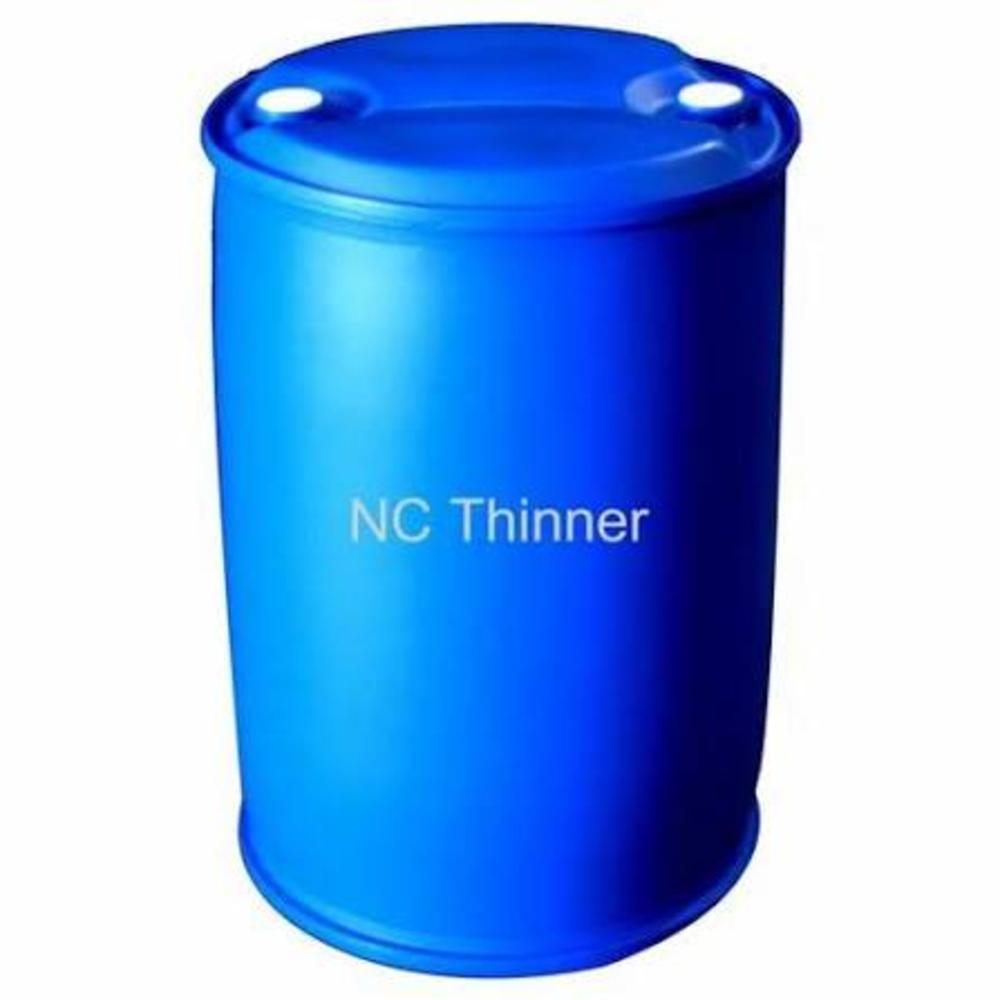
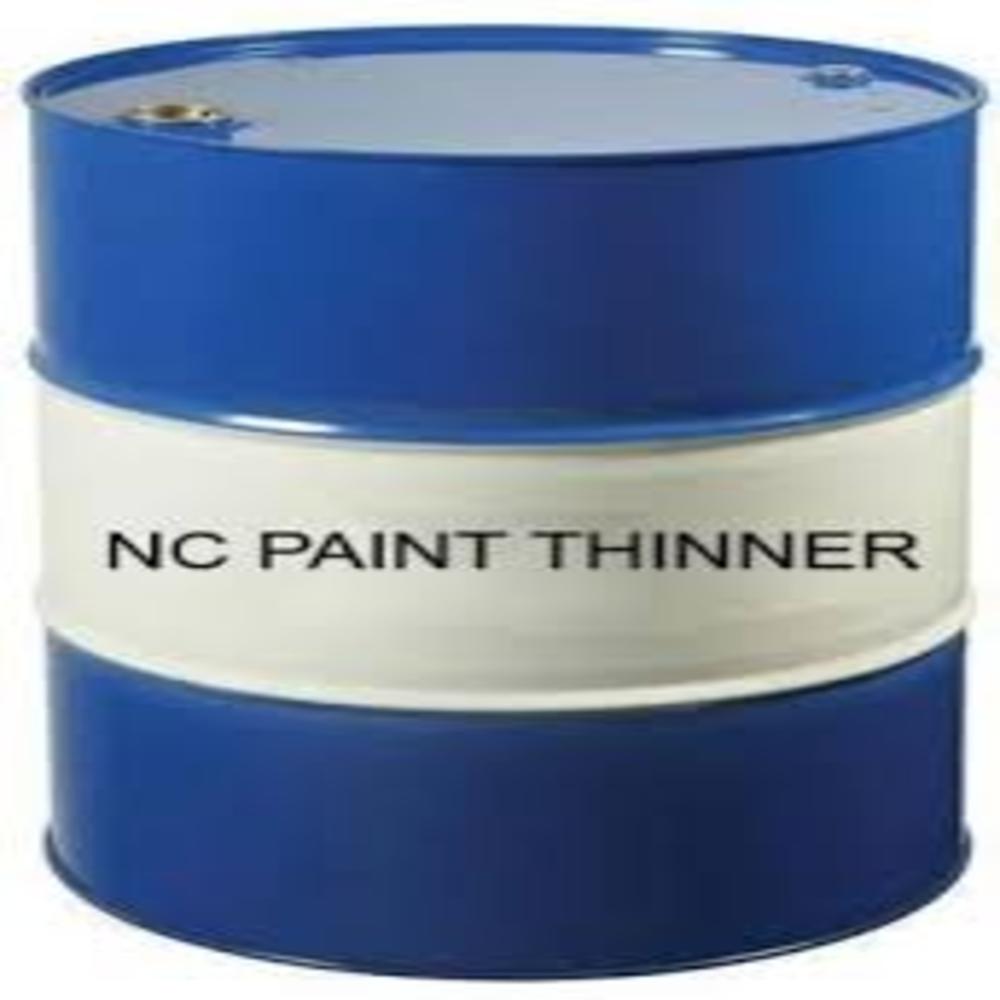
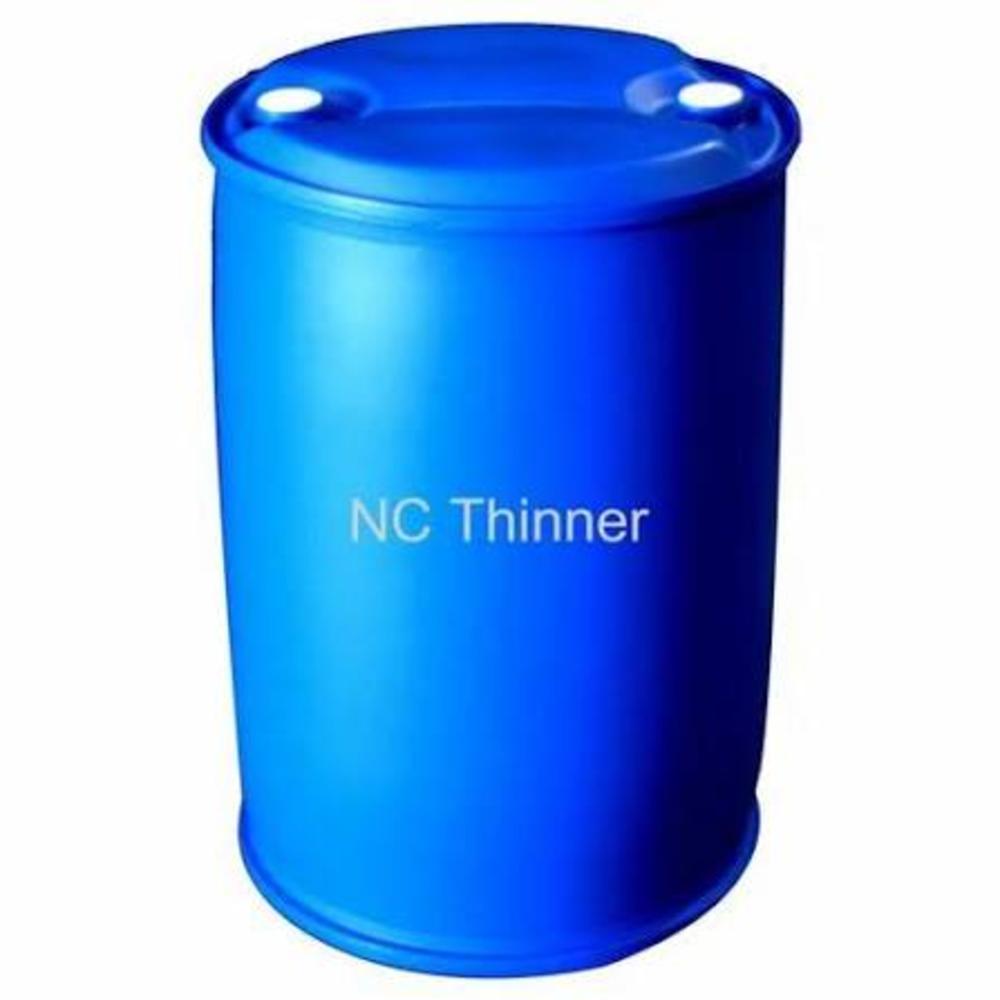
Thinner Paint Pass
Thinner Paint Pass
Thinner Paint Pass
Thinner Paint Pass
Thinner Paint Pass
Thinner Paint Pass
Thinner Paint Pass
Thinner Paint Pass
Thinner Paint Pass
Thinner Paint Pass
Thinner Paint Pass
Thinner Paint Pass
Thinner Paint Pass
Thinner Paint Pass
Thinner Paint Pass
Thinner Paint Pass
Thinner Paint Pass
Thinner Paint Pass
Thinner Paint Pass
Thinner Paint Pass
Thinner Paint Pass
Thinner Paint Pass

Thinner Paint Pass

Price 55.0 INR/ Unit

MOQ : 100 Units

Thinner Paint Pass Specification

  • Viscosity
  • Lower-viscosity fluids
  • Melting Point
  • no
  • Moisture (%)
  • no
  • Ph Level
  • no
  • Boiling point
  • 50 C to 200 C (122 F to 392 F)
  • EINECS No
  • no
  • Loss on Drying
  • no
  • Molecular Formula
  • does not have a single chemical formula
  • Residue on Ignition
  • no
  • HS Code
  • 38140010
  • Acid Value
  • no %
  • Place of Origin
  • Ankleshwar
  • Heavy Metal (%)
  • no
  • Storage
  • Room Temperature
  • Particle Size
  • no
  • Assay
  • no
  • Other Names
  • Thinner
  • CAS No
  • 8006-64-2
  • Type
  • Other
  • Grade
  • Other
  • Usage
  • 1. Adjusting Paint Consistency (Thinning)The primary purpose of thinner is to alter the viscosity of oil-based coatings before application.Improves Flow: Added to oil paints, varnishes, and stains so they spread smoothly without brush marks.Enables Spraying: Thins heavy paints so they can feed properly through compressed-air paint sprayers.Controls Drying Time: Helps paint level out perfectly on a surface before it evaporates and cures.Note: Thinner should never be mixed with water-based latex or acrylic paints, as it will ruin the mixture.2. Heavy-Duty Cleaning and DegreasingBecause it dissolves oils and resins rapidly, thinner is an exceptional cleaning agent.Tool Maintenance: Cleans wet oil-based paint, lacquer, or varnish out of paintbrushes, rollers, and spray guns.Industrial Degreasing: Quickly dissolves grease, engine oil, tar, and lubricants from automotive parts, machinery, and tools.Adhesive and Resin Removal: Cleans up spilled sap, pine tar, tough glue residues, and wax from hard surfaces.3. Surface PreparationPainters and woodworkers use thinners to prep a surface before a new finish is applied.De-glossing: Strips away old wax, polish, or oil coatings from furniture before sanding and refinishing.Wipe-Downs: Cleans bare wood or metal surfaces to remove fine dust, fingerprints, and oils, ensuring the new coat of paint or primer adheres perfectly
  • Purity
  • 98% 99%+ High Purity
  • Appearance
  • Water White
  • Application
  • Other
  • Raw Material
  • mix Solvent
  • Smell
  • Other
  • Form
  • Liquid
 

Thinner Paint Pass Trade Information

  • Minimum Order Quantity
  • 100 Units
  • Delivery Time
  • 1 Days
 

Thinner Paint Pass About

Chemical Paint Thinner
Paint thinner is a volatile organic solvent formulation engineered to alter the consistency of various surface coatings. [1, 2]
  • Primary Function: It reduces the viscosity (thickness) of oil-based paints, varnishes, enamels, and lacquers to improve flow, leveling, and application performance. [1, 2]
  • Composition: Formulations generally consist of a balanced mixture of liquid hydrocarbons, ketones, esters, alcohols, or distilled tree resins (such as turpentine). [1, 2, 3]
  • Cleaning Capabilities: It acts as a heavy-duty degreaser and cleaner, dissolving wet or semi-dried coatings from paintbrushes, rollers, spray guns, and machinery. [1, 2]
  • Physical Properties

AI Mode conversation: thinner

thinner
Paint thinner is a liquid solvent primarily used to reduce the viscosity (thickness) of oil-based paints, varnishes, lacquers, and stains. It is also widely used as a heavy-duty cleaning agent to dissolve grease, oil, and paint residues from brushes, rollers, spray equipment, and tools. [1, 2, 3, 4]
Because the term "thinner" can refer to several different topics, here is a breakdown of the most common contexts:
1. Types of Chemical Thinners
The type of solvent used depends entirely on the coating material:
  • Mineral Spirits / Standard Paint Thinner: The most common general-purpose option used to thin oil-based paints, stains, and varnishes. It is highly effective for cleaning petroleum-based tools. [1, 2]
  • Lacquer Thinner: A highly aggressive, fast-evaporating solvent blend used specifically for lacquers and cellulose nitrate-based coatings. It can easily dissolve plastics or ruin pre-finished surfaces. [1, 2, 3]
  • Turpentine: A natural solvent distilled from tree resin, traditionally used by artists for oil painting and wood finishing. [1, 2]
  • Odorless Mineral Spirits (e.g., Gamsol): A highly refined solvent favored by artists because it removes harmful aromatic compounds, making it much safer for indoor studio use. [1]
2. Entertainment & Culture
  • "Thinner" (Stephen King Novel & Film): Thinner is a famous 1984 horror novel written by Stephen King (under the pseudonym Richard Bachman). It was adapted into a 1996 body-horror film where an obese lawyer is afflicted by a Romani curse that causes him to lose weight uncontrollably until he faces death. [1, 2]

Could you specify what information you are looking for? Please let me know if you need:
  • The exact type of chemical thinner needed for a specific home improvement project or paint type (e.g., acrylic, polyurethane, enamel).
  • Details or plot summaries regarding the Stephen King horror book or movie.
  • Safety guidance regarding toxic fumes, ventilation, and skin protection. [1, 2, 3]
  • Wikipedia
    Thinner (film) - Wikipedia
    Thinner (marketed as Stephen King's Thinner) is a 1996 American body horror film directed by Tom Holland and written by Michael Mc...
  • YouTubeAce Hardware
    How To Use Paint Thinner | Ace Hardware
    9 Sept 2025 Paint thinner is also effective for cleaning tools used with petroleum-based products, such as brushes and rollers.
    1:48
  • IndiaMART
    Industrial Thinner Latest Price, Manufacturers & Suppliers
    Thinner is a powerful solvent formulated. It quickly removes paint residue, oil, grease, adhesives, and tough contaminants from me...
Show all
Thinner Description
Because the request is broad, descriptions are provided for both the industrial chemical solvent and the Stephen King horror story.

Chemical Paint Thinner
Paint thinner is a volatile organic solvent formulation engineered to alter the consistency of various surface coatings. [1, 2]
  • Primary Function: It reduces the viscosity (thickness) of oil-based paints, varnishes, enamels, and lacquers to improve flow, leveling, and application performance. [1, 2]
  • Composition: Formulations generally consist of a balanced mixture of liquid hydrocarbons, ketones, esters, alcohols, or distilled tree resins (such as turpentine). [1, 2, 3]
  • Cleaning Capabilities: It acts as a heavy-duty degreaser and cleaner, dissolving wet or semi-dried coatings from paintbrushes, rollers, spray guns, and machinery. [1, 2]
  • Physical Properties: Clear, colorless, highly flammable liquid with a sharp, pungent odor (unless refined into odorless varieties). It evaporates rapidly into the air, leaving no residue behind. [1, 2, 3, 4]

Stephen King's "Thinner" (1984 Novel & 1996 Film)
Thinner is a psychological horror story published by Stephen King in 1984 under his Richard Bachman pen name, later adapted into a 1996 body-horror movie directed by Tom Holland. [1]
  • The Premise: Billy Halleck is an affluent, severely overweight Connecticut attorney who enjoys a life of upper-class excess.
  • The Incident: While driving, Billy is distracted by his wife and accidentally strikes and kills an elderly Romani woman crossing the street. Using his corrupt small-town connections, he gets off with a total legal acquittal.
  • The Curse: Outraged by the systemic injustice, the victim's ancient father, Tadzu Lempke, touches Billys cheek and whispers a single word: "Thinner".
  • The Conflict: Billy begins to rapidly and uncontrollably shed weight regardless of how much high-calorie food he consumes. As he wastes away toward a skeletal state, he must enlist the help of a ruthless mobster friend to violently track down the Romani clan and force Lempke to lift the fatal hex
Tell us about your requirement
product

Price:

Quantity
Select Unit

  • 50
  • 100
  • 200
  • 250
  • 500
  • 1000+
Additional detail
Mobile number

Email

More Products in Pharmaceutical Chemicals Category

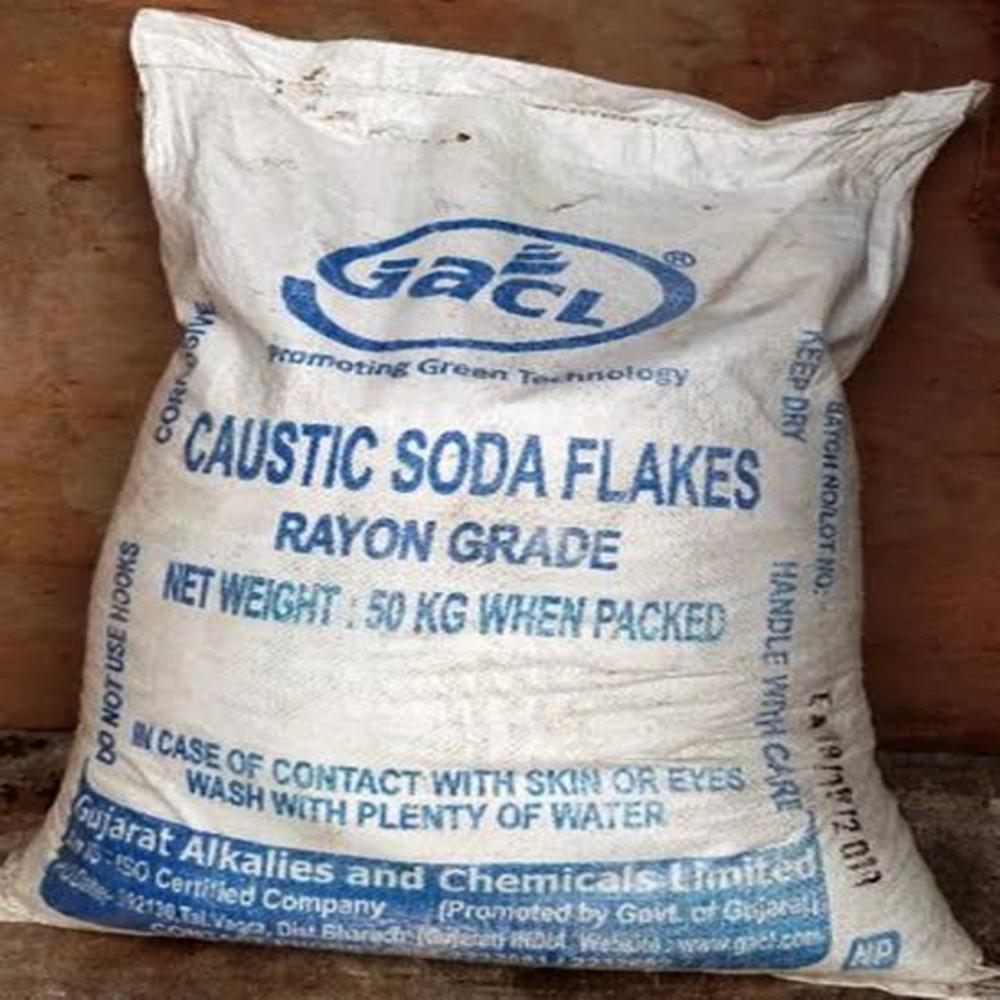
Caustic Soda Flakes

Caustic Soda Flakes

Price 45.0 INR / Kilograms

Minimum Order Quantity : 1000 Kilograms

Storage : Room Temperature

Raw Material : chemicals

CAS No : 1310732

Usage : Caustic soda flakes (sodium hydroxide) are strong alkaline chemicals used widely in manufacturing, water treatment, and heavy cleaning
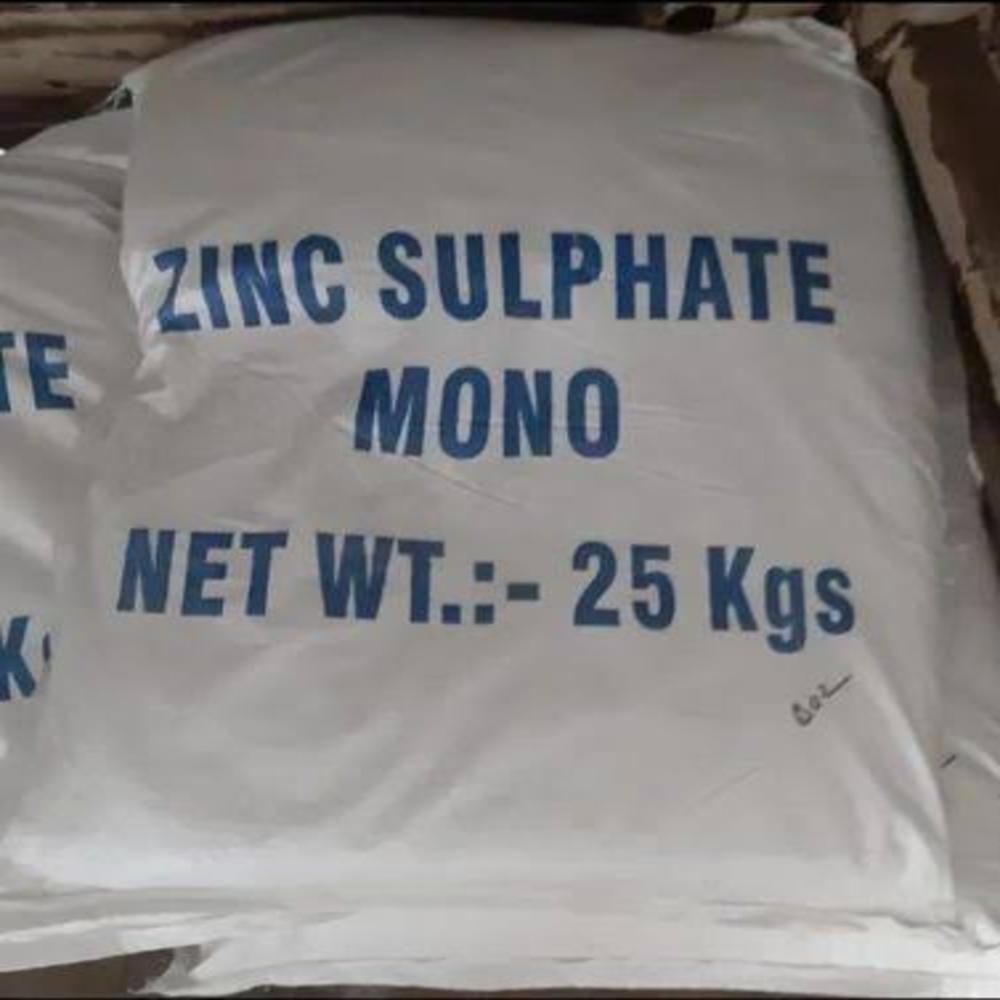
Zinc Sulfate Monohydrate 33%

Zinc Sulfate Monohydrate 33%

Price 22.0 INR / Kilograms

Minimum Order Quantity : 1000 Kilograms

Storage : Room Temperature

Raw Material : intermediate

CAS No : 7446197

Usage : Zinc sulphate monohydrate 33% is a widely used watersoluble micronutrient fertilizer that provides 33% elemental zinc and 15% sulphur to correct soil deficiencies and boost crop yields
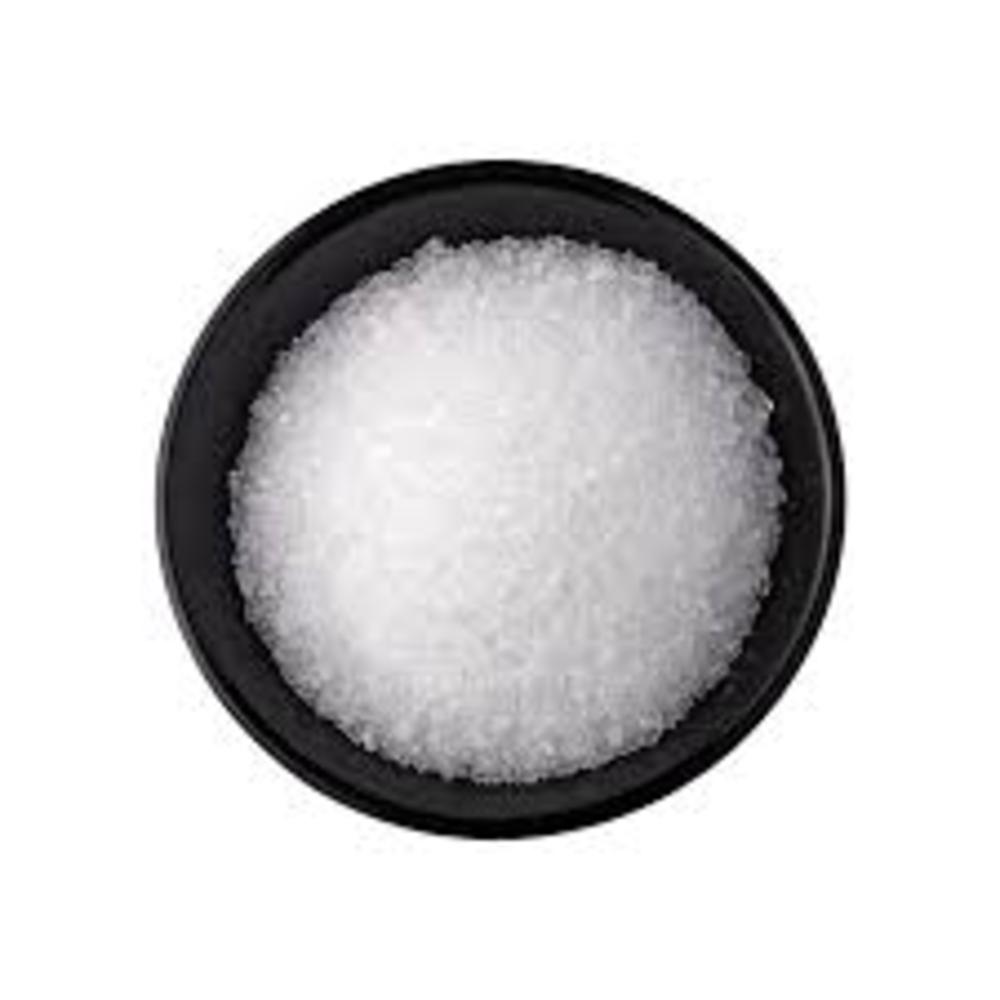
Magnesium Sulphate

Magnesium Sulphate

Price 55.0 INR / Kilograms

Minimum Order Quantity : 1000 Kilograms

Storage : Room Temperature

Raw Material : Intermediate

CAS No : 7487889

Usage : Uses of Magnesium Sulphate Magnesium supplement Used to treat or prevent magnesium deficiency. Medical treatment Used in certain conditions such as eclampsia and preeclampsia to prevent seizures. Laxative Epsom salt may be used as a saline laxative when appropriate. Agriculture Used as a source of magnesium and sulphur for plants. Laboratory use Used as a drying agent and in various chemical processes. Baths/soaks Epsom salt is commonly used in bathing and soaking preparations.
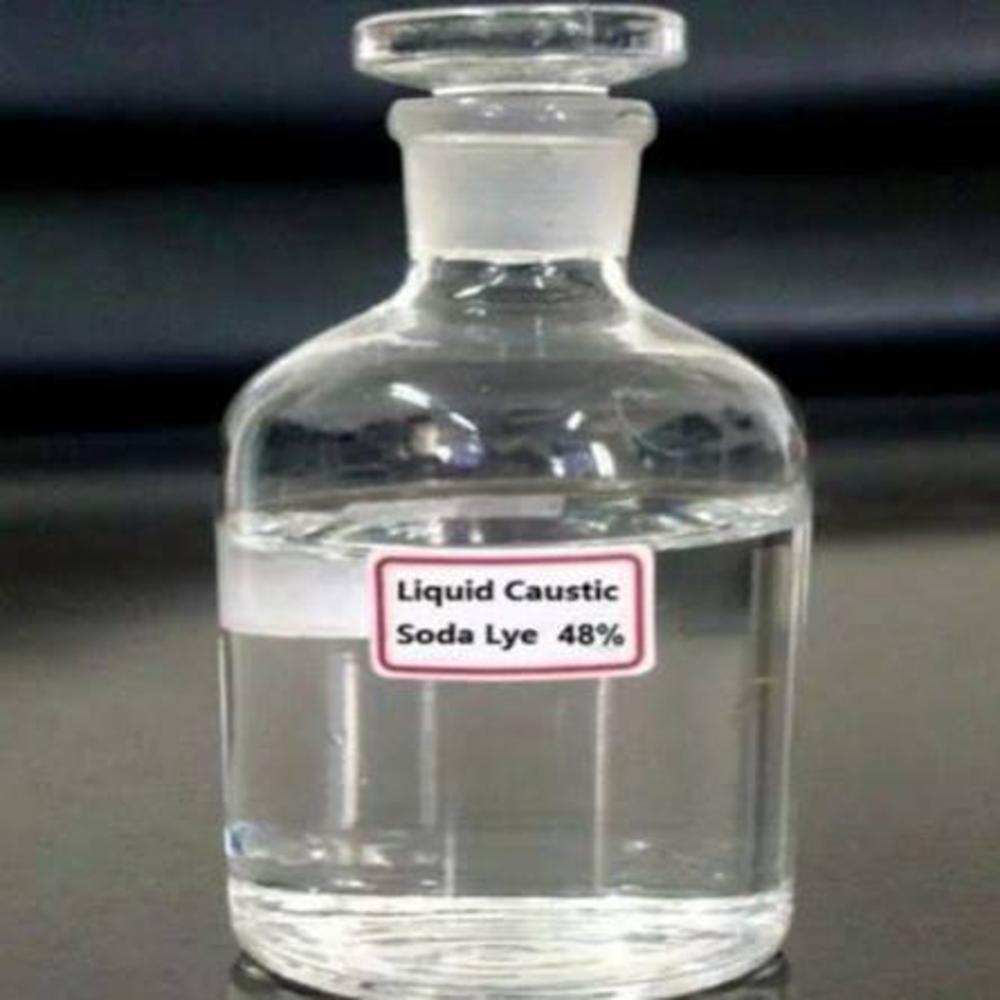
Caustic Soda Lye

Caustic Soda Lye

Price 25.0 INR

Minimum Order Quantity : 50

Storage : Room Temperature

Raw Material : camicals

CAS No : 1310732

Usage : Caustic Soda Lye (Liquid Sodium Hydroxide, NaOH) is widely used in industries because of its strong alkaline properties. Main Uses Chemical manufacturing: Production of various chemicals, salts, and intermediates. Soap & detergents: Used in the manufacture of soaps, detergents, and cleaning products. Water treatment: pH adjustment, neutralization, and wastewater treatment. Pulp & paper: Used in pulping and processing wood fibers. Textile industry: Used in cotton processing, mercerization, and dyeing. Petroleum refining: Used in certain refining and purification processes. Alumina production: Used to extract alumina from bauxite. Metal processing: Used for cleaning, degreasing, and surface treatment. Industrial cleaning: Effective for removing grease, oils, and other organic residues. Food processing: Used in specific regulated foodprocessing applications, such as peeling and processing certain foods. Safety: Caustic soda lye is highly corrosive. It must be handled with appropriate PPE and according to its SDS and applicable regulations.


Back to top